
In the world of automotive performance, there is a common obsession with the “go” fast side of the equation. Enthusiasts spend thousands on turbochargers, intake manifolds, and ECU tuning to squeeze every possible ounce of torque and peak power out of their powerplants. However, the most critical component of a high-performance build isn’t the engine; it is the system that brings all that momentum to a controlled halt. As we move further into 2026, the gap between affordable horsepower and accessible safety technology has widened, leaving many enthusiasts with vehicles that are significantly faster than they are safe.
As horsepower climbs, the kinetic energy your vehicle must dissipate increases exponentially, not linearly. If you are still running factory-spec pads and rotors on a car that is pushing 200 horsepower over stock, you aren’t just at a disadvantage; you are operating on a dangerous deficit. This deep dive explores the physics of deceleration, the necessity of matching your stopping hardware to your engine’s output, and why a holistic approach to performance maintenance is the only way to ensure your project car stays on the road and out of the scrapyard.
Building a fast car is a matter of engineering; building a car that survives the speed is a matter of wisdom. To truly master the street or the track, one must understand that braking is not merely the absence of acceleration, but a violent and complex energy conversion process that requires as much specialized attention as a top-end engine rebuild.
The Physics of High-Speed Deceleration
Upgrading Components to Handle Extreme Thermal Loads
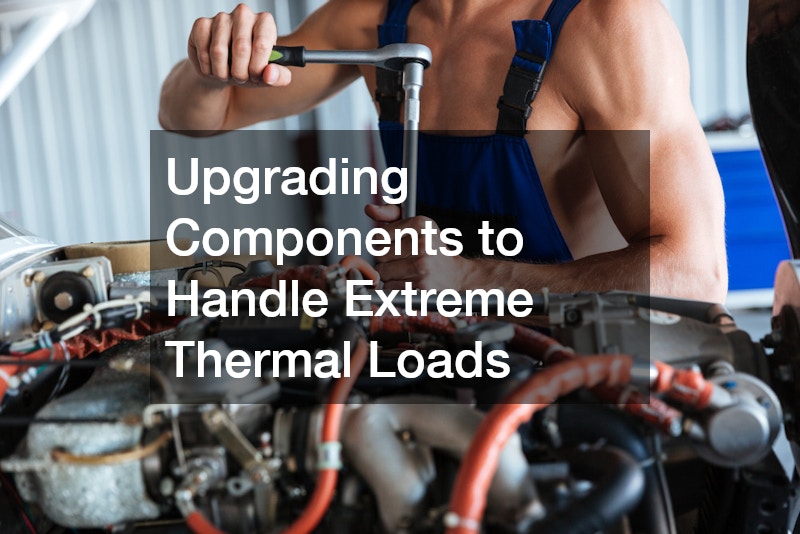
When you add significant horsepower to a vehicle, you are fundamentally changing its thermal profile. Every time you step on the pedal, the brakes convert kinetic energy into heat through friction. A standard brake repair intended for a daily commuter simply cannot handle the heat soak generated by repeated high-speed stops. To stay safe, you must move beyond basic organic pads and look toward high-carbon rotors and semi-metallic or ceramic compounds designed to resist “brake fade”—the terrifying moment when your pedal goes soft because the fluid or pads have exceeded their operating temperature.
Furthermore, you shouldn’t trust these high-stakes upgrades to just any generalist who typically works on stock economy cars. While many local auto repair shops are excellent at fixing a broken alternator on a minivan or performing basic maintenance, a performance build requires a technician who understands the nuances of stainless steel braided lines and high-boiling-point racing fluids. A specialist shop will ensure that your master cylinder and calipers are balanced to provide the correct “bite” without inducing premature ABS intervention, keeping your car stable even under emergency braking from triple-digit speeds.
Understanding Thermal Capacity:
High-performance rotors often feature directional vanes that act as a centrifugal pump to move air through the disc.
Pad Selection:
Ceramic pads are great for low dust, but semi-metallic pads generally offer better cold-bite and higher temperature ceilings for aggressive driving.
Fluid Boiling Points:
Standard DOT 3 fluid can boil at temperatures easily reached during a spirited canyon run; upgrading to high-temp synthetic fluid is a cheap insurance policy.
Bedding-In Process:
New brakes require a specific heat-cycling process to transfer a layer of pad material onto the rotor; skipping this can lead to “warped” rotor sensations.
Traction Management and Road Contact
Choosing the Right Compound for Maximum Grip
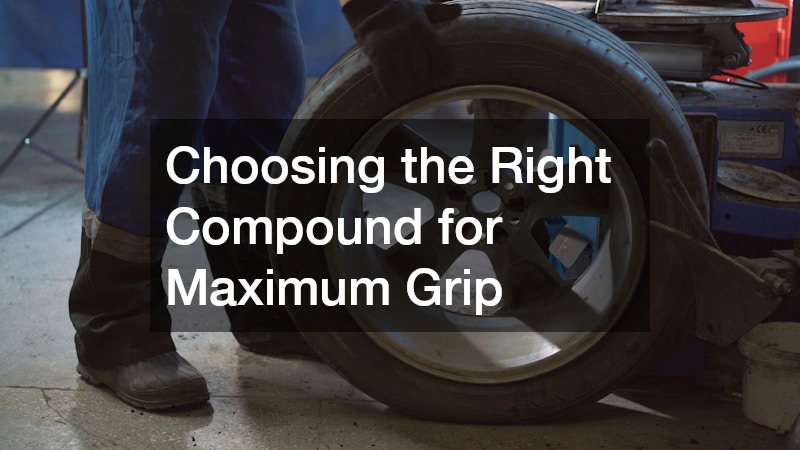
Stopping power is ultimately limited by the amount of friction between your rubber and the asphalt. You can have the most expensive big-brake kit in the world, but if your tires can’t hold the road, your ABS will simply cycle and increase your stopping distance. Finding a specialized tire outlet that stocks ultra-high-performance (UHP) summer tires or street-legal drag radials is essential for high-horsepower cars. These tires use softer compounds that “stick” to the road, allowing your upgraded brakes to do their job without the tires skidding or the electronic nannies cutting in too early.
While you are at the shop, it is the perfect time to look for other efficiency gains in your operational logistics. Many performance-oriented local auto repair shops also provide maintenance for your support vehicles or daily drivers, and maintaining a high-performance fleet requires a steady supply of consumables. For instance, if you manage a small fleet of project cars or work trucks, setting up a local oil delivery service can save you significant time and money. Having high-grade synthetic lubricants delivered to your personal shop ensures that your engines are always protected with the right viscosity, reducing internal friction and heat before the cooling system even has to kick in.
Contact Patch Dynamics:
Wider tires don’t just help with acceleration; they provide a larger surface area to distribute the friction generated during hard braking.
Tire Age Matters:
Even if a tire has plenty of tread, the rubber compounds harden over time. Any tire over five years old loses the “suppleness” required for maximum stopping grip.
Pressure Tuning:
Running slightly lower pressures can increase the contact patch, but too low pressures will cause the sidewall to roll, destabilizing the car during a hard stop.
Alignment:
A car with improper toe or camber settings will not utilize the full width of the tire during deceleration, lengthening your stopping distance.
The Legal Reality of Performance Driving
Protecting Your Assets and Your Rights

No matter how well-built your car is, the “human element” on the street is unpredictable. If you are involved in a collision, the fact that your car is modified can sometimes be used against you by insurance companies or opposing counsel. This is why having a specialized car accident lawyer on retainer or at least in your professional network is a smart move for any enthusiast. They understand the difference between a “performance modification” and “reckless equipment,” and they can help prove that your upgraded brakes and tires actually made the vehicle safer and more capable than a stock counterpart.
The complexity increases if the accident results in significant injury or property damage. Consulting with experienced car accident lawyers ensures that your side of the story is told accurately, especially when dealing with data loggers or “black box” evidence from modern ECUs. A legal expert who understands automotive culture can defend the integrity of your build. They can explain to a jury or an adjuster that a larger brake kit isn’t a sign of street racing, but a calculated safety upgrade meant to compensate for increased engine output.
Documentation is Key:
Keep a logbook of every modification, including the safety ratings of the parts used. This proves a commitment to responsible engineering.
Post-Incident Analysis:
In the event of a crash, an attorney can hire an accident reconstruction expert to prove that your modifications were not the proximate cause of the event.
Insurance Disclosures:
Always be honest with your carrier about modifications; specialized “stated value” policies are better than standard policies for tuned cars.
Dashcam Evidence:
High-quality 4K dashcams are a modder’s best friend, providing indisputable evidence of what actually happened before the impact.
Beyond the Engine: Structural Integrity
Maintaining the Chassis and Body Lines

High-speed runs and aggressive braking place immense stress on the vehicle’s frame and body panels. Over time, the torque from a high-horsepower engine can actually twist a factory chassis, leading to “frame fatigue.” If you notice gaps in your body panels or a “pull” to one side that an alignment can’t fix, you may need professional auto body work to reinforce the frame or realign the subframes. A specialist who understands unibody construction can weld in subframe connectors or strut tower braces to ensure the car remains stiff under the violent loads of high-G braking and cornering.
If you do suffer a minor scrape or a more significant impact, finding a shop that specializes in auto body repair for enthusiast cars is vital. Standard collision centers might use heavy fillers and cheap aftermarket panels that don’t fit correctly, but a performance-minded shop will focus on lightweight materials and aerodynamic integrity. They can also ensure that any custom paint or carbon fiber components are matched perfectly, preserving both the aesthetic and the resale value of your investment. A car that “looks” right is often a car that is “built” right, as panel gaps can be a tell-tale sign of deeper structural issues.
Seam Welding:
For extreme builds, welding the seams of the chassis can significantly increase rigidity, though it is a labor-intensive process.
Material Compatibility:
Modern European and Japanese cars use high-strength steels and aluminum; ensure your body shop has the specific welding equipment for these metals.
Aerodynamic Balance:
An unaligned hood or a loose bumper cover at 120 MPH can create lift, making the car light and dangerous under braking.
Resale Integrity:
A documented, high-quality repair using OEM parts will always be worth more to the next enthusiast than a “budget” fix.
Choosing the Right Workspace
Finding the Ideal Environment for Complex Projects
For many enthusiasts, the transition from basic “bolt-ons” to full engine swaps or roll-cage installations requires moving out of the home driveway. Choosing between various auto garages or DIY-rental spaces is a major decision. You want an environment that offers heavy-duty lifts, high-output air compressors, and proper lighting. More importantly, you need a space where you can perform complex auto repairs without the clutter of a standard home garage, allowing you to keep your workspace organized and your parts sorted during a long-term build that might span several months.
Whether you are doing the work yourself or hiring a pro, the quality of the facility dictates the quality of the outcome. The best auto garages are those that maintain a clean, organized shop floor and have a reputation within the local car community for transparency. When your car is in for major work, you are trusting the facility’s security and expertise. By choosing a shop that lives and breathes performance, you ensure that every bolt is torqued to spec and every system is double-checked before the car ever sees the street again.
Tool Accessibility:
A professional garage will have specialized tools like torque angles, hub-tamer kits, and hydraulic presses that most DIYers lack.
Safety First:
Working on jack stands is inherently risky; a professional lift allows for a much more thorough inspection of the undercarriage and brake lines.
Waste Management:
Professional facilities handle the disposal of toxic fluids like old brake fluid and oil, keeping your home environment clean.
Community Knowledge:
The “shop talk” found in enthusiast-heavy garages is a goldmine for troubleshooting weird vibrations or fitment issues.
Ultimately, the most impressive cars are not the ones with the highest dyno sheets, but the ones that demonstrate a perfect balance between power, handling, and safety. Building a car that can accelerate to 100 MPH in a few seconds is a feat of engineering, but ensuring that same car can stop from those speeds repeatedly and safely is a feat of character. By prioritizing your braking system and tire compound alongside your engine modifications, you respect the physics of the road and the safety of everyone on it.
As we look toward the future of the automotive hobby, remember that the most skilled drivers aren’t just those who can keep the throttle pinned, but those who understand the limits of their mechanical systems. Neglecting the stopping power of your vehicle is a gamble that rarely pays off in the long run. By investing in professional-grade components and expert installations, you ensure that your passion for speed doesn’t come at the cost of your security or the lives of others.
The automotive hobby is at its best when it is sustainable, and sustainability comes from building cars that stay together under pressure. From the quality of your lubricants to the legal protection in your pocket, every choice you make contributes to the longevity of your build. Stay focused on the “total package,” and you’ll find that your time behind the wheel is not just faster, but significantly more rewarding. Deceleration isn’t the enemy of speed; it is the safety net that allows you to enjoy it to the fullest. Keep your pads fresh, your tires sticky, and your goals balanced.