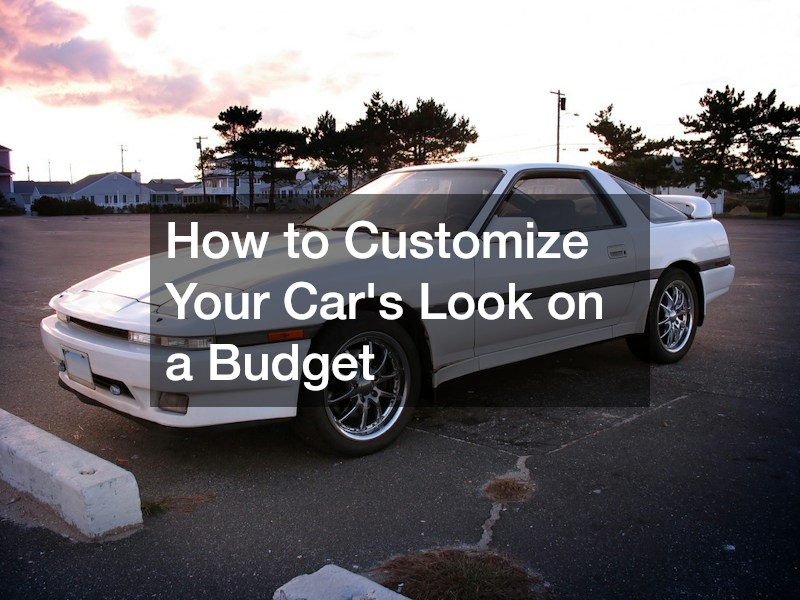

There is something undeniably satisfying about walking out to your car in a crowded parking lot and seeing a vehicle that looks completely unique. For car enthusiasts, daily commuters, and weekend drivers alike, personalizing a ride is an extension of identity. However, step into the world of automotive modifications, and you will quickly see price tags that induce immediate sticker shock. High-end forged wheels, professional multi-stage paint jobs, carbon fiber body kits, and custom interior reupholstering can easily cost more than the market value of the vehicle itself.
Customizing your car’s appearance without burning a hole in your wallet is about prioritizing high-impact visual modifications, focusing on meticulous surface preparation, and keeping the design cohesive. By learning how to execute subtle cosmetic upgrades yourself, you can transform a plain stock vehicle into an absolute head-turner.
Refreshing Exterior Accents and Lighting Upgrades
When designing a visually striking car, the secret often lies in the details. Modern car manufacturers frequently add excess chrome trim around windows, front grilles, and trunk lids to appeal to a broad demographic. For enthusiasts seeking a sportier, sleeker appearance, performing a “chrome delete” is one of the most cost-effective modifications available. Using inexpensive automotive-grade vinyl wrap, high-tack blackout tape, or removable rubberized spray coatings, you can transform shiny silver trim into a stealthy satin or gloss black finish in an afternoon.
Lighting is another crucial area where aging vehicles show their years. Factory halogen headlight bulbs emit a warm, yellowish glow that makes even a well-maintained car look dated. Upgrading your forward lighting and interior cabin bulbs to crisp, 6000K white LED conversions instantly modernizes the vehicle’s appearance. If your headlight lenses are cloudy, oxidized, or yellowed from years of UV exposure, do not replace the entire assembly. A twenty-dollar DIY headlight restoration kit, combined with a clear UV-blocking protective coat, will restore crystal clarity and drastically improve nighttime visibility.
While updating your exterior lighting and body trim, pay close attention to overall vehicle safety and utility. When modifying lighting, avoid over-tinting or blacking out your taillights to the point where other drivers cannot see your brake signals. Causing a rear-end collision not only ruins your custom work, but it also leads to costly frame damage and mechanical failures that require intensive car repair.
If you drive an SUV, crossover, or truck, the rear bumper profile offers great customization potential. Instead of leaving an ugly, rusting receiver hole exposed, install stylish bumper steps, LED brake light inserts, or customized hitches that match your build’s overall color palette.
- Execute a vinyl chrome delete: Use gloss or satin black vinyl tape to cover window trim, grille surrounds, and rear badging.
- Upgrade to modern LED lighting: Replace dim, yellow halogen headlight bulbs and interior map lights with bright, modern LED units.
Elevating Cabin Comfort and Interior Visual Style
While passersby admire your car’s exterior, you spend 100% of your driving time inside the cabin. An outdated, worn, or drab interior can ruin the experience of driving an otherwise great-looking car. Elevating your interior style on a budget relies on refreshing high-touch contact points, controlling visual clutter, and preserving structural cleanliness.
Start with the primary touchpoints: the steering wheel, shift knob, and pedals. A worn, peeling leather steering wheel makes a car feel ancient. Installing a tightly laced, custom-stitched leather or suede steering wheel cover takes a couple of hours of patience, but yields a factory-quality look and feel. Swapping out a light plastic shift knob for a weighted aluminum, billet steel, or polished wood unit adds tactile weight to every gear shift while providing an immediate visual upgrade to the center console.
Protecting and styling the footwells is equally important. Generic, ill-fitting rubber floor mats slide around and look sloppy. Investing in custom-fit floor liners or diamond-stitched leatherette floor mats protects the factory carpet from dirt, water, and salt stains while giving the interior a bespoke, luxury-tier aesthetic.
Maintaining a pleasant interior goes beyond pure cosmetics; functional comfort directly impacts how luxurious your car feels. Make sure your climate control system is operating at peak performance. Deep-cleaning your dashboard vents, replacing old cabin filters, and ensuring your air conditioning blows ice-cold keeps the driving environment fresh during hot summer car meets.
Additionally, take the time to eliminate cabin rattles, fix loose trim clips, and repair torn upholstery seams. Treating interior care with the same precision a professional technician applies to an auto repair job ensures your budget aesthetic upgrades feel like a factory option rather than a cheap cover-up.
- Install a custom-stitched wheel wrap: Upgrade worn steering wheel leather with a tight, hand-stitched leather or Alcantara cover.
- Upgrade touchpoint hardware: Replace stock shift knobs and pedal covers with weighted, CNC-machined metal hardware.
Integrating Tech Displays and Modern Visual Interfaces

One of the fastest ways a car reveals its age is through its dashboard technology. Older dot-matrix displays, monochromatic radio screens, and clunky button layouts immediately date a vehicle’s interior. Fortunately, the aftermarket electronics market has made modern infotainment tech accessible and affordable for virtually any make and model.
Installing an aftermarket touchscreen head unit completely revitalizes an older dashboard. Double-DIN units featuring Apple CarPlay and Android Auto integration allow you to project modern navigation maps, album artwork, and hands-free communication interfaces directly onto your dash. The sleek glass screen instantly transforms a mid-2000s interior into a modern digital cockpit.
Beyond primary infotainment screens, subtle digital accents can drastically enhance night driving ambience. Customizable ambient LED lighting strips can be hidden under the dash, along the door cards, and inside footwells. When wired cleanly into the car’s interior lighting circuit, these soft ambient lights create an upscale, high-tech glow that mirrors modern luxury sedans.
For car shows, club meets, or promotional builds, digital customization can extend beyond standard driver displays. Some show car builders install small programmable LED panels behind grilles, inside rear windows, or along display stands capable of displaying custom graphics and scrolling digital messaging to share build specs or social media handles with onlookers.
When executing complex interior electronics installations, always route wiring cleanly behind trim panels and utilize proper fuses. Taking inspiration from the clean, heavy-duty electrical wiring practices used in industrial site equipment or heavy equipment operating in commercial demolition, ensuring your wiring is shielded and organized prevents dangerous electrical shorts and messy exposed cords.
- Install a touchscreen head unit: Upgrade factory double-DIN head units to touchscreen displays featuring smartphone mirroring.
- Add ambient footwell lighting: Route soft LED accent lighting beneath the dash and seats to illuminate the cabin floor at night.
Upgrading Wheels, Stance, and Exterior Protection
A vehicle’s stance and wheel fitment dictate at least 50% of its overall visual impact. Even the most beautifully painted car looks awkward if the wheels are tucked deep inside the wheel wells or the ride height looks like a lifted off-road vehicle. Getting the stance right is the ultimate secret to a clean, aggressive build.
You do not need to spend thousands of dollars on custom multi-piece wheels to achieve great fitment. If your car came with decent factory alloy wheels, you can completely change their appearance by refinishing them. Thoroughly cleaning, sanding, priming, and spraying stock wheels with high-durability wheel paint or removable rubberized coatings in gloss black, gunmetal gray, or bronze can make them look like expensive aftermarket upgrades.
To fix sunken wheel fitment, consider adding quality hub-centric wheel spacers. Moving the stock wheels out just 15 to 20 millimeters so they sit flush with the outer fender line instantly gives the car a wider, more planted stance. Pair this with a set of quality lowering springs, which reduce wheel gap by an inch or two while maintaining comfortable ride dynamics, and your car’s profile will be completely transformed.
Protecting your exterior paint finishes once you have perfected the look is paramount. Applying modern ceramic spray coatings creates a hydrophobic layer that repels dirt, water spots, and road grime, keeping your paint looking freshly detailed with minimal maintenance. These coatings also help shield delicate paint finishes from environmental contaminants and atmospheric discharge risks, working similarly to how ground-level static shields or structural lightning protection systems dissipate electrical energy from exposed surfaces.
If you decide to add front lip splitters, side skirts, or rear diffusers, avoid relying solely on double-sided tape. Secure low-hanging body ground effects using custom metal fabrication brackets, stainless steel hardware, and support rods to ensure your new aero bits do not rip off on the highway.
- Refinish factory alloy wheels: Sand and paint stock wheels in modern finishes like satin bronze, gunmetal, or gloss black.
- Install hub-centric wheel spacers: Push sunken wheels out flush with the fender arches to achieve an aggressive, planted stance.
Taking Style Beyond the Highway: Off-Road and Small Vehicle Styling

The fundamental principles of budget aesthetic customization, clean contrast, upgraded lighting, surface protection, and refined touchpoints, are not limited to standard passenger cars and sports coupes. These exact same concepts apply brilliantly to utility vehicles, off-road trucks, haulers, and recreational transport.
Small personal transportation vehicles have surged in popularity for neighborhood commuting, pit lane transport at race tracks, and campground transport. Applying custom automotive styling to golf carts is a booming trend among automotive enthusiasts. By applying budget vinyl wraps, custom alloy wheel kits, lifted suspension setups, and custom marine-grade upholstery, you can transform a plain utility cart into a miniature reflection of your primary project car.
Lighting and body upgrades on small recreational vehicles mirror full-sized builds. Adding LED light bars, underbody rock lights, custom steering wheels, and tinted windshields brings high-end automotive styling down to a compact scale, creating an eye-catching pit vehicle or neighborhood cruiser.
If you transport your show car or track vehicle using an enclosed car hauler, do not neglect the interior transport space. Transforming the interior of a utility trailer or RV living space enhances the entire car enthusiast experience. Replacing cold plywood floors with modular interlocking garage tiles, heavy-duty rubber matting, or sections of custom-cut designer carpet turns a basic transport box into a high-end, comfortable paddock lounge.
- Style recreational pit vehicles: Apply automotive vinyl wraps, LED light kits, and custom wheels to personal transport utility vehicles.
- Reupholster worn utility seating: Replace torn vinyl seats with custom-stitched, weather-resistant marine vinyl covers.
Maintaining DIY Quality and Avoiding Tacky Aesthetic Traps
The line between a tastefully customized budget build and a cheap-looking car is remarkably thin. The factor that separates a head-turning build from a tacky one is rarely the amount of money spent; it is the restraint, design discipline, and attention to detail demonstrated by the builder.
The most important rule in budget car customization is following the “Two-Color Rule.” Select a primary body color and one dominant accent color (such as black, carbon fiber, or silver). Stick strictly to this color palette across the entire vehicle. Adding red brake calipers, blue tow hooks, yellow fog lights, and green valve stem caps on the same car creates visual chaos that looks messy and uncoordinated.
Patience during surface preparation is where 80% of cosmetic quality lies. Whether you are painting wheels, wrapping interior trim, or applying vinyl decals, rushing the prep work guarantees failure. Thoroughly washing, clay-barring, degreasing, and wiping down surfaces with isopropyl alcohol ensures that paints and vinyl adhesives bond correctly without peeling or bubbling.
Finally, know what modifications to avoid. Steer clear of stick-on chrome accessories, non-functional hood scoops, fake brake disc covers, excessively loud muffler tips on stock engines, and excessive badges. A clean, debadged vehicle with pristine paint, flush wheel fitment, and a subtle lowering kit will always command more respect than a car covered in cheap stick-on accessories.
- Stick to a strict color theme: Limit your build to a primary color and one cohesive accent color for a clean, factory-plus look.
- Invest 80% of your time in prep work: Clean, sand, and degrease all surfaces thoroughly before applying paint, vinyl, or adhesives.
Building Your Vision Step by Step
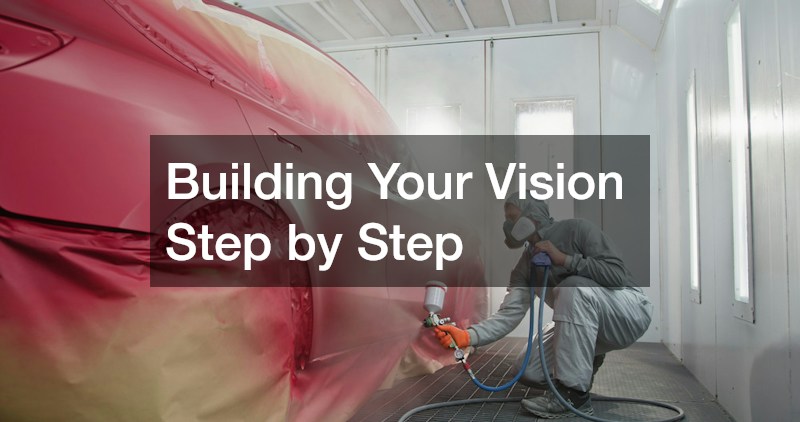
Customizing your car’s appearance on a budget is one of the most rewarding hobbies an automotive enthusiast can pursue. It transforms driving from a mundane daily chore into a personalized, creative expression. You do not need a massive bank account, a professional shop, or a team of master mechanics to build a car that turns heads and makes you turn around to look back at it every time you park.
By focusing on high-impact areas like wheel fitment, lighting modernization, interior touchpoints, and clean trim accents, you can dramatically elevate your car’s presence. Remember that great builds are not completed overnight. Take your time, research installation tutorials, practice your DIY skills, and execute each modification with care and patience.
Start with a simple weekend project, like restoring your headlights, stitching a new steering wheel cover, or deleting chrome window trim. As your confidence and skills grow, take on larger projects like lowering springs, touchscreen installations, or custom wheel refinishing. With a clear vision and a disciplined approach, you will create a custom ride you can be immensely proud to drive every single day.